Kinzer Coins
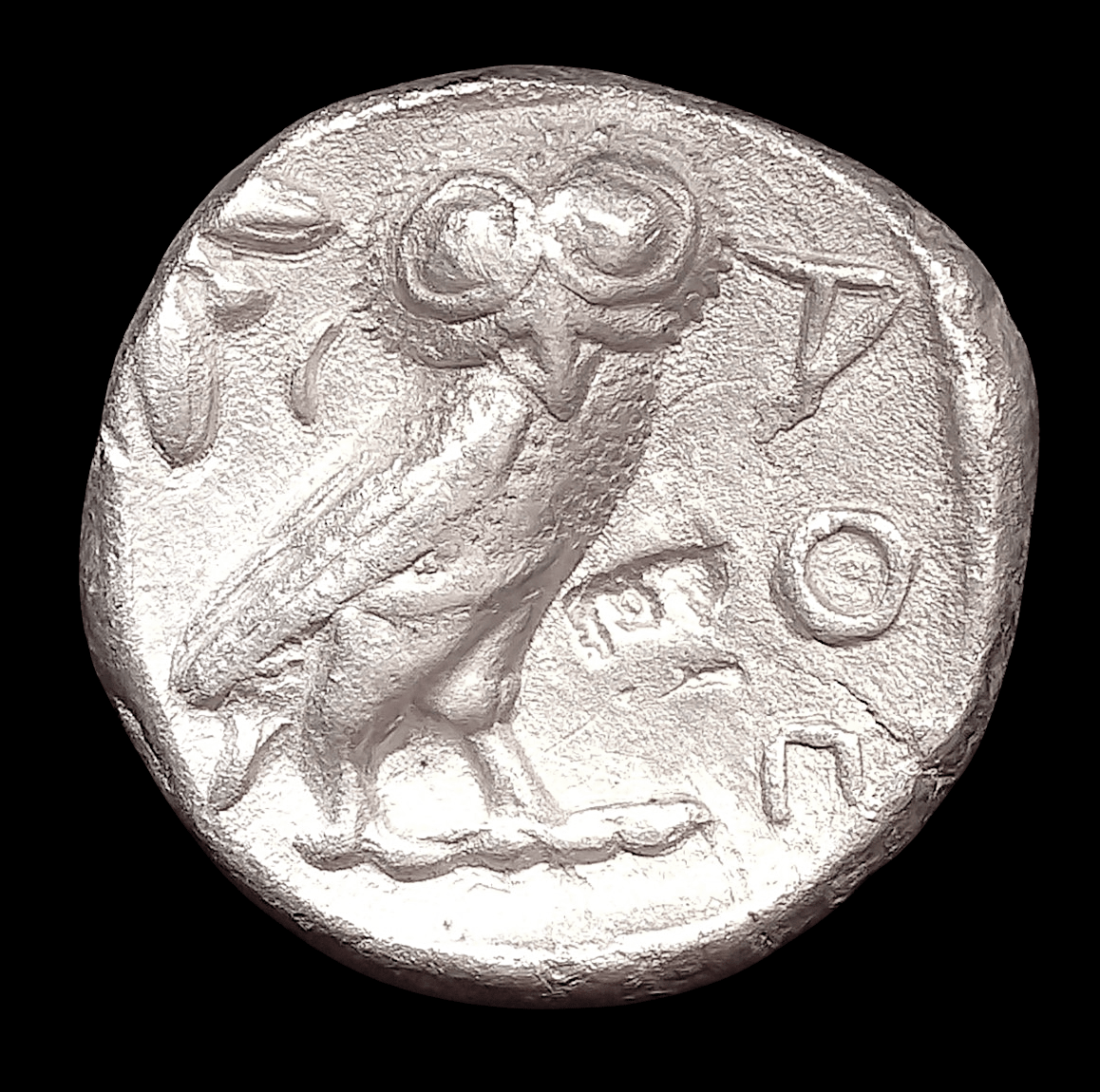
Ancient Greek Silver Tetradrachm of Athens (350–294 BC, Owl Type with Ancient Countermarks), Authenticated Ancient Coin
Ancient Greek Silver Tetradrachm of Athens (350–294 BC, Owl Type with Ancient Countermarks), Authenticated Ancient Coin
Couldn't load pickup availability
Own a Silver Athenian Owl with Ancient Countermarks
A real silver tetradrachm struck in ancient Athens — featuring the famous owl of Athena and bearing ancient countermarks that tell an additional chapter of its long journey through the ancient world.
Weight: 16.5 grams
Diameter: 23 mm
Date: 350–294 BC
Pedigree: Ex Numismatik Naumann Auction 66, Lot 36
✓ Guaranteed Authentic
✓ Carefully Verified
✓ 30-Day Returns
🏛 Struck in ancient Athens over 2,300 years ago
🦉 Features the iconic owl of Athens
🔨 Bears ancient countermarks applied during circulation
🤲 A genuine piece of Greek history you can hold
Own This Piece of History
Why This Coin Matters
Few coins in history achieved the fame and acceptance of the Athenian Owl.
For centuries, Athens struck silver tetradrachms bearing the image of Athena and her sacred owl. These coins circulated across the Mediterranean and Near East, becoming one of the most trusted currencies of the ancient world.
The obverse features Athena, goddess of wisdom, warfare, and protector of Athens. Her portrait remained one of the most recognizable images in ancient coinage.
The reverse displays the owl, the enduring symbol of the city. Alongside it appear the traditional olive sprig and the inscription ΑΘΕ, meaning "of the Athenians."
This example was struck between 350 and 294 BC, during a transformative period in Greek history. Athens remained a major cultural and commercial center, but political power was increasingly shifting to Macedon and the successors of Alexander the Great.
What makes this coin especially interesting are its ancient countermarks.
Countermarks were small punches applied after a coin left the mint. Ancient governments, merchants, bankers, or local authorities sometimes added these marks to verify a coin's authenticity, approve it for circulation in a particular region, or reaffirm its value. In many cases, countermarks indicate that a coin continued circulating far from where it was originally struck.
Rather than diminishing the coin's historical significance, these marks often add another layer to its story. They serve as evidence that the coin remained active in commerce long after it was first produced, passing through multiple hands, markets, and perhaps even different kingdoms during its lifetime.
For collectors, countermarked owls offer a fascinating glimpse into the realities of ancient trade and banking, preserving not only the original coin but also traces of its later use.
Perfect For
- Ancient Greek coin collectors
- Athenian Owl enthusiasts
- Collectors of countermarked coins
- Students of ancient commerce and trade
- Anyone seeking a historically unique silver coin
What You'll Receive
- The exact silver tetradrachm shown
- Struck at Athens, Attica, 350–294 BC
- Athena obverse and owl reverse
- Ancient countermarks applied during circulation
- Silver tetradrachm denomination
- 16.5 grams of ancient silver
- Approximately 2,300 years old
- Ex Numismatik Naumann Auction 66, Lot 36
Buy with Confidence
- Guaranteed authentic ancient coin
- Carefully sourced and verified
- 30-day return policy
- Secure shipping from the U.S.
New to Ancient Coins?
The Athenian Owl is one of the most famous coins ever produced, but examples with ancient countermarks tell an even richer story. Beyond its origins in Athens, this coin preserves evidence of its continued circulation and acceptance across the ancient world, making it both a classic Greek coin and a witness to centuries of commerce and exchange.
Share